


Nina Yoshida Nelsen on Madama Butterfly
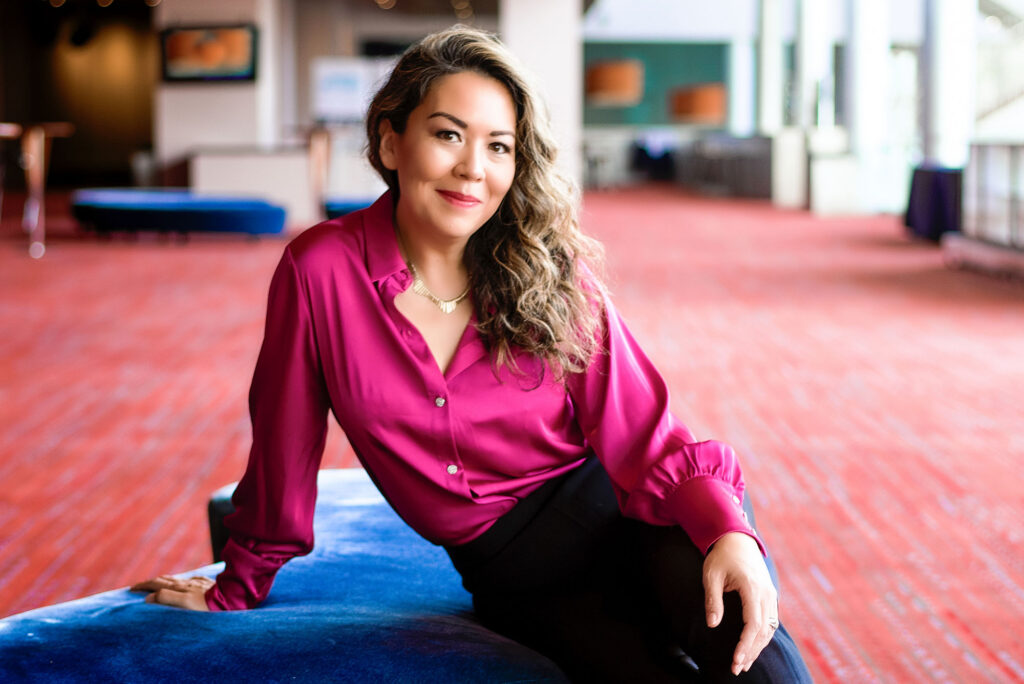
As a performer, leader, and advocate, Nina Yoshida Nelsen brings a deeply personal and evolving perspective to Madama Butterfly. A frequent interpreter of Suzuki, the founder of the Asian Opera Alliance, and Artistic Director of Boston Lyric Opera, she was also a featured panelist in Opera Colorado’s April 8 community conversation exploring representation and storytelling in opera. Here, she reflects on the role this work has played in her life—and what it asks of us today.
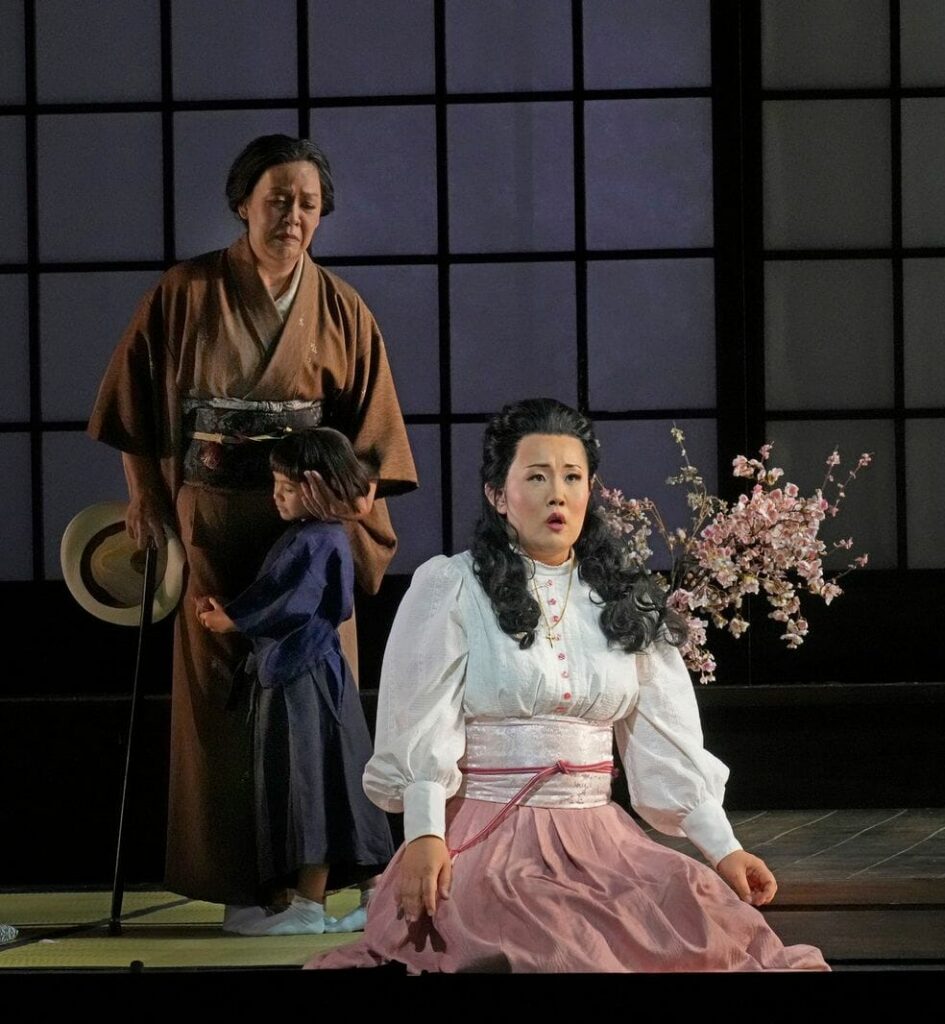
Madama Butterfly has shaped my life as an artist in ways I never could have predicted. I have sung more than 200 performances of Suzuki, and through that role I have performed in major opera houses across the United States and abroad. 200 performances later, every time I return to Madama Butterfly, I am struck by the beauty of Puccini’s music.
This opera also led me to serve as dramaturg on a new production at Boston Lyric Opera, which ultimately led to my current role as Artistic Director. So, when I think about Butterfly, I do so with a deep sense of gratitude. It has been my entry point, and in many ways, my life’s work.
But, my relationship with this opera is not simple.
In 2021, during the rise of Stop Asian Hate, I started looking more closely at my own career. Over ten years, I had sung around 150 performances of Suzuki, along with many other Asian-identifying roles. In that same decade, I had only sung three roles that were not specifically Asian. That realization shocked me. What I had always understood as opportunity also had another side to it: I saw how clearly my career had been pigeonholed. That moment was a turning point for me, and it led to the founding of the Asian Opera Alliance—because I wanted to help create a field with more space, more possibility, and more complexity for Asian artists.
The opera industry, like many others, often tells you who you are before you have the chance to define it for yourself. I grew up in Southern California identifying as Californian. It was the industry that identified me as Asian, and because of that, I had to start asking what that actually meant within this art form.
So in a complicated way, Madama Butterfly both limited me and helped me find myself. It contributed to the box I was placed in, but it also pushed me to ask deeper questions about representation, authenticity, and what responsibility I carry as an artist.
My relationship with Madama Butterfly has also continued to change as I have changed, and I think it’s important to say that out loud. Change is not just okay—it’s necessary. We are living in a multicultural, modern society that is very different from the world Puccini was writing in. What we see on stage is humanity, but the world we are living in now often feels far removed from what is presented in this opera. That gap asks more of us.
It’s also important to acknowledge that we are producing Butterfly in the United States. Here, where Asians are still a minority and still underrepresented on our stages, Madama Butterfly opera becomes a singular representation of Asian identity. That means we have to be incredibly mindful in how we tell this story. Without care, it can quickly slip into caricature, reinforcing ideas rather than challenging them.
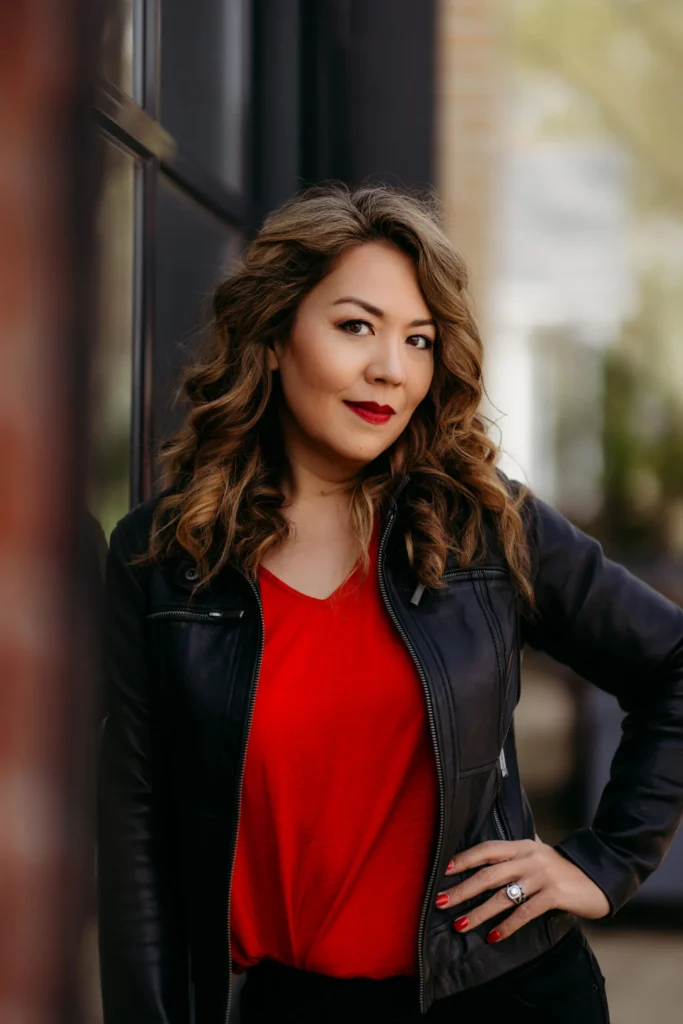
We have to remember that Madama Butterfly is just one story. It is not the story of all Asian women, and it cannot be allowed to stand in for all Asian experiences. As artists and arts organizations, we have a responsibility to tell this story with integrity while also making space for many other stories—stories of Asian women today that are grounded in reality, complexity, and truth, not just fantasy.
My relationship with this opera lives in tension: deep gratitude alongside the reality of being pigeonholed into narratives rooted in stereotype and fantasy. It has given me a career, challenged me to understand myself more fully, and pushed me to think more expansively about the field I want to help shape. In many ways, that complexity is exactly why it continues to matter to me.
—Nina Yoshida Nelsen, Asian Opera Alliance (2006).
–
Witness the powerful tale of Madama Butterfly come to life on stage. Get tickets to Puccini’s Madama Butterfly now. >>
Thank you for sharing this. I attended Nina’s talk on April 8, and I am so impressed that Opera Colorado is putting forth these thoughtful conversations. I had little knowledge of Madame Butterfly before the talk, and I feel like I am going into the opera with a lot to think about and reflect upon.
As a Theatre Director, I have never been involved with type casting. In fact, I never requested photographs, in advance., of people who were going to audition for me.
It would not bother me if a non-Asian person played the role of Madama Butterfly and it would not bother me if an Asian person played the role of Madea.
What matters to me is the acting ability and the musical ability of the performer to appropriately portray their character to the audience.