


Madama Butterfly 101 – Q&A with Asuka Morinaga Derfler
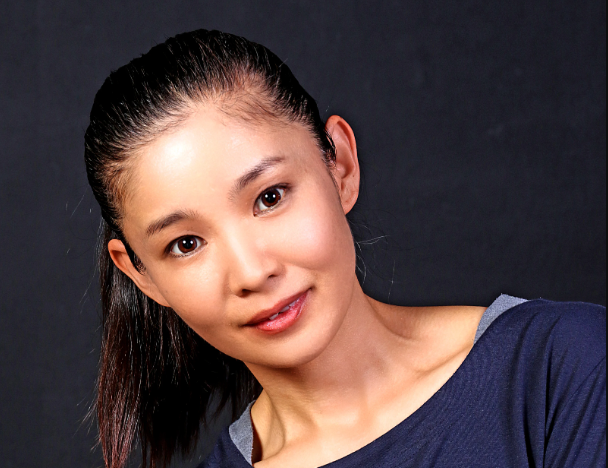
Today marks the first day of Asian American and Pacific Islander Heritage month, and Madama Butterfly opens tomorrow! This production of Madama Butterfly is special for a lot of reasons, one of them being our Cultural Consultant, Asuka Morinaga Derfler. An experienced actor in Japan and the U.S., Asuka brings a unique perspective that allows this production to be grounded in real Japanese tradition and practices. Having worked with Director Mo Zhou before, Asuka’s work strengthens and informs every aspect of this production. You can also watch Asuka talk about collaborating with us in this short video.
Having been born in Japan and built your career both there and in the U.S., how does that dual perspective, and your own personal experiences, shape the way you approach your role in Madama Butterfly?
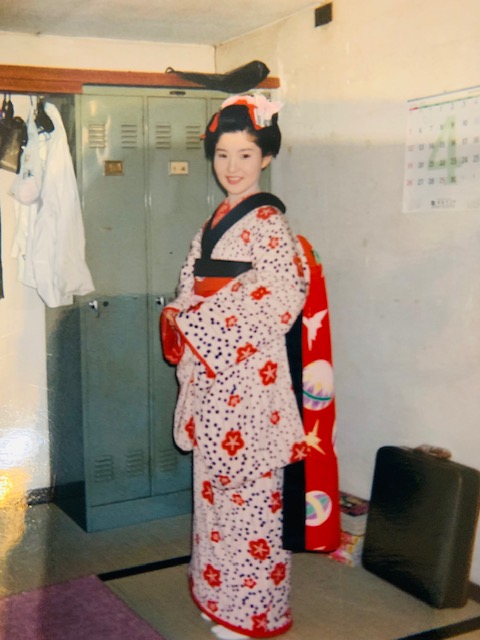
I believe that knowing Japanese culture through me or my personal stories is very different from reading about it in books or watching movies. When I explain our culture or certain movements, I always share my personal stories. I would like the performers and those involved with the production to feel more deeply and to be curious about it, and not to just think of it as a story from a faraway land. I also work closely with the wardrobe team, who put in so much effort in collaborating with me. I am grateful to everyone who has been asking me detailed questions with respect, and I believe that it adds more depth to the show.
In this production, you’re focusing on movement and physical detail. What are some of the cultural nuances, like posture or gestures, that audiences might not consciously notice, but that deeply affect how the story is told?
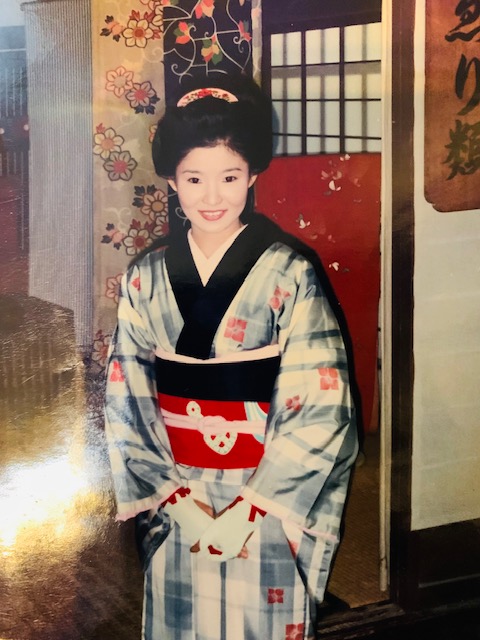
When wearing a kimono, a person uses different muscles in compared to wearing their clothes. There is a word for this in Japanese, and we call it Shosa 所作 (しょさ). Shosa refers to the general action with courtesy and consideration that appears in daily movements and behavior, and it is not just a movement, it is an act that involves the dignity and culture of the person. How to bow, how to walk, how to sit. In opera, I believe the smallest details dictate the greatest truths. There is a profound difference between simply wearing a kimono and mastering Shosa. When we approach these movements with genuine knowledge and cultural respect, it adds a psychological depth that makes this production truly special.
As someone who is also an actor, how does that influence the way you work with performers when you’re offering guidance or adjustments?
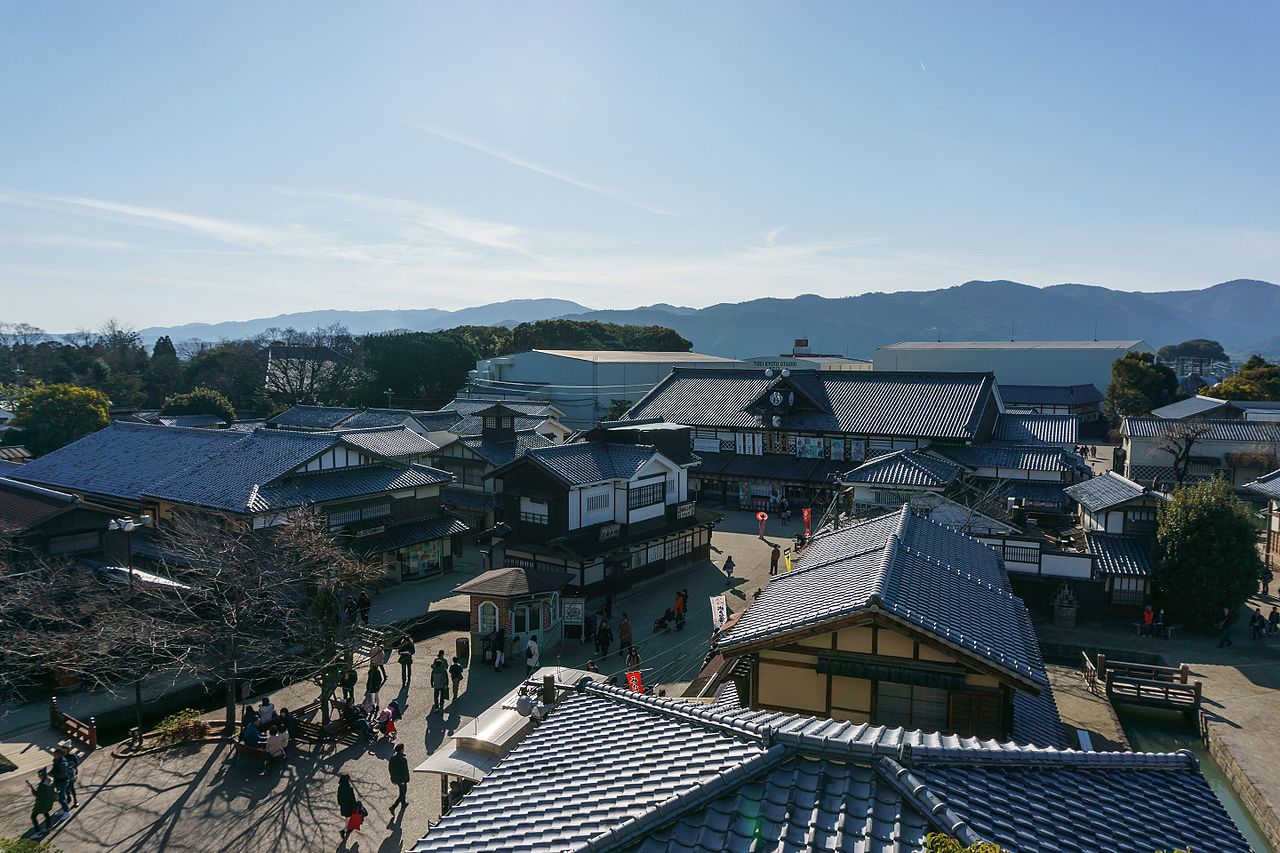
In Japan, I performed in jidaigeki (時代劇) which are Japanese historical dramas done at the Kyoto Uzumasa (京都太秦), a historical film set and theme park. These jidaigeki were set in the Edo-period of Japan (1603-1868), an era prominent in films like Kurosawa’s movies (fun fact, many of the actors at my theater company, Haiyuza, were in Kurosawa’s movies!). Because of my experience at the Kyoto Uzumasa, I am used to adjusting my acting style to specific time periods, like the Rokumeikan era, which Mo Zhou chose for this production. The attention to detail we practiced as actors really informed what I bring as a Cultural Consultant. I am able to show some movements by my acting rather than just explaining by words. I also ask performers to share the type of feelings they have at the moment and what they are saying. In such a case, I can also add some acting rather than just basic movements.
What do you hope audiences feel when they see this production?
I feel that there are so many stories and emotions within the show. These include joy, loyalty, dignity, traditional cultures, family, struggle, pain, hope, and more. I hope that everyone can take something away from this experience and feel that in their heart. That’s what a live performance can bring to people.
–
See Madama Butterfly come to life. Get tickets now. >>